IACC 2021: A Potemkin Village of Autism?
By Jill Escher
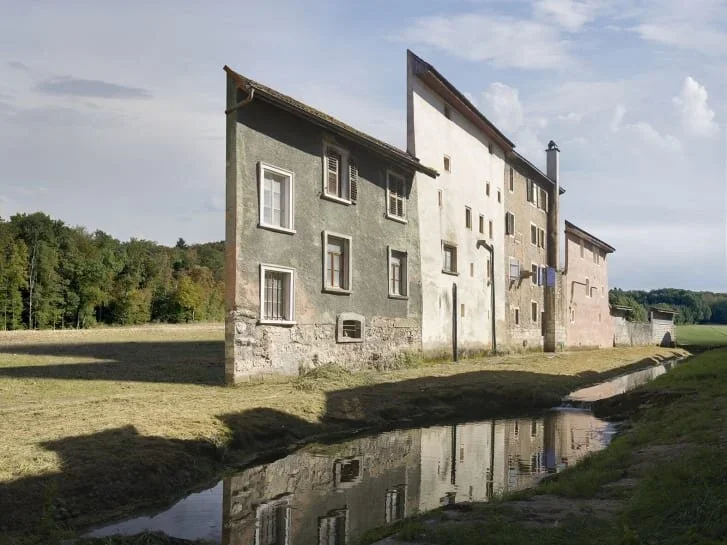
“Potemkin village” denotes a false facade of development, contentment and prosperity, constructed to mask a reality of suffering, ruins and poverty. It is named after a Russian prince who is said to have directed the construction of fake villages along the Dnieper River to deceive Catherine the Great as she visited the war-ravaged area, and divert attention away from regional desperation.
I could not shake the Potemkin-village metaphor from my head as I have watched the meetings of the latest iteration of the federal Interagency Autism Coordinating Committee (IACC). You can see archives and info here.
As the U.S. sinks ever-deeper into an autism crisis of epic proportions, one that is destroying families, overwhelming school districts and adult services, and even threatening the economy owing to staggering lifespan costs, you certainly wouldn’t know it from the meeting. Despite some glimmers of serious intent, the “autism” discussed at the IACC was for the most part a mild difference, with members sometimes angling to swipe away severe autism with an Orwellian language eraser. On social media, an IACC self-advocate member has expressed outright hostility to public comments submitted about severe autism, and was cheered on by other members.
The IACC was created by Congress by the Autism CARES Act of 2019, to advise the director of the NIH on effectuating the terms of the Act, which authorizes annual federal spending on autism of $369.7 million through 2024. Congress explicitly intended the CARES funding to investigate autism’s causes (including environmental causes), detection, prevention, services, and treatment (42 U.S. Code sec 284g). Nevertheless we have already seen neurodiversity-oriented members expressing opposition to research on causation and prevention. Can you imagine an NIH Advisory Committee on the Causation, Prevention and Treatment of Cancer selecting people opposed to research on causation and prevention of cancer? It would be a national outrage. Yet this is the betrayal of American law (and science, and families) we see in the IACC.
The IACC, with more than seven articulate, capable and accomplished self-advocate members, and minimal representation by parents of children with severe autism, threatens to project an illusion of autism mostly untethered from the reality of significant neurodevelopmental disability that defines the disorder. The patent discrimination against the severely autistic underscores the fact it is time to break up the spectrum of so-called ASD per NCSA’s recent call for diagnostic reform.
Whether the IACC will be a shallow Potemkin village of autism or whether it will tackle serious congressionally mandated topics with desperately needed urgency remains to be seen.
But I am not optimistic.
Jill Escher is President of the National Council on Severe Autism.
Disclaimer: Blogposts on the NCSA blog represent the opinions of the individual authors and not necessarily the views or positions of the NCSA or its board of directors.