By: Cristina Gaudio, NCSA Legal & Policy Fellow
I am one of the luckiest women on earth. Not because I am rich or famous (because I am not), but because in my work, I have the privilege of hearing the stories of autism families and the opportunity to make a real difference. In recent weeks, as my law and policy classmates have scrambled to recruit for legal fellowship positions, I have marveled at my incredible luck in landing at NCSA. Legal fellowships, especially among the T-14 U.S. law schools, are notoriously extremely competitive, and to have received my dream role so early in the recruiting process feels surreal. At the same time, I have noticed something odd: I am best able to write, analyze, and gather my thoughts on autism very late at night. Like, 3am late at night. And after some thought, I have reached the conclusion that there is only one explanation for this: that autism looks different after dark than it does in the light of day.
During the day, the world has a way of softening reality. Autism, in the daylight, is baked into the fabric of my norm. Sure, it is what I advocate for, study, and am the most passionate about. But when the world stops, the reality of autism, especially severe autism, becomes more vivid. When the streetlights go out and the world is still, autism is lucid in my mind. Indeed, when everything else is at rest, autism can, for just a moment, exist in a vacuum. It is no longer camouflaging itself in the bustle and mundanity of everyday life. It really hits me.
It hits me that daylight is just a predator disguised as ordinary life, full of a thousand unseen ways to devour those who cannot defend themselves. A child can bolt toward traffic, wander into a neighbor’s pool, slip out the front door before anyone even realizes. A single noise, a flashing light, a wrong texture can trigger a meltdown so violent that both parent and child end up bruised. A caregiver can look away to answer the phone, and a spoon, a toy, or a piece of fabric can become a choking hazard. The threats are endless — cars, strangers, drowning, choking, elopement, exhaustion — and they never take a day off.
Suddenly, routine looks like a minefield. The truth sharpens. It becomes clear. Nature does not care. Not even one bit. Existence itself is perilous for those who cannot speak, who cannot tell their parents if they are in pain, if they are sick, or if someone has hurt them. Seven autistic children die every month in the United States from elopement-related drownings or traffic accidents, their small bodies found in ponds, creeks, or the street just beyond the driveway. And those who survive face dangers that are just as cruel. Individuals with developmental disabilities face a risk of sexual assault more than twice that of the general population. For those who are nonverbal, the number is likely far higher, though we will never truly know. Because they cannot tell. They cannot point. They cannot testify. How do autism parents do it during the day?
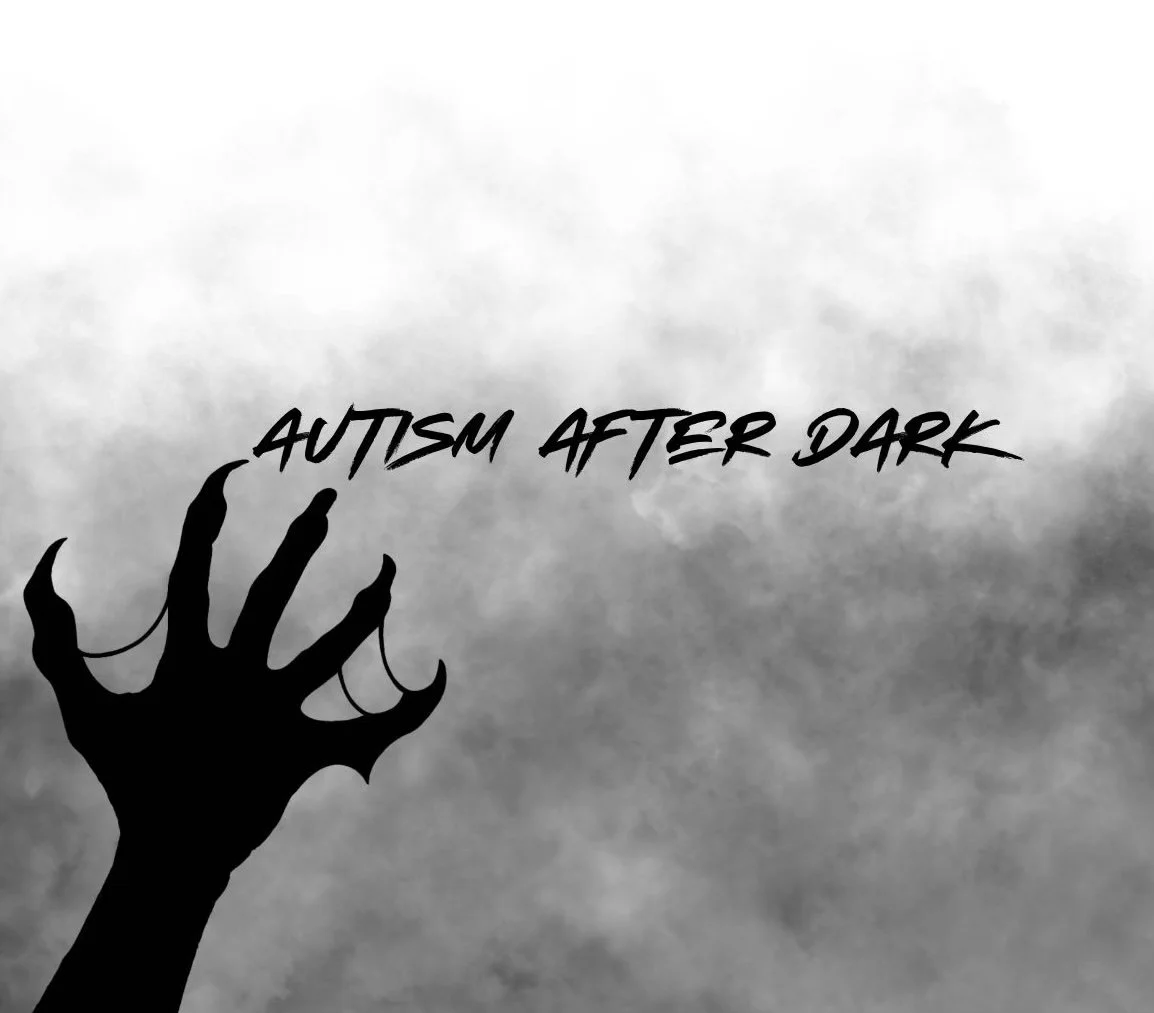
This is autism after dark, the scary kind that doesn’t make it onto Instagram, that no “awareness month” campaign will feature. As I write this, I know that somewhere, staring at the same moon, is an autism parent trading shifts to keep their severely autistic child in bed. It is the hour when siblings learn to sleep through chaos, when love looks less like a feeling and more like endurance. None of this diminishes the inherent dignity, worth, or humanity of individuals with severe autism. Because their lives are not tragedies—but the pervasive lack of systems meant to support them too often is.
I know what autism looks like when the world is quiet. I know how much sharper, lonelier, and scarier it becomes in the dark corners of my mind. In just a few hours, autism parents will wake up and do what they always do, meeting dawn with a courage and vigilance that the rest of the world will never see. Daylight will anesthetize fear. The world will hum again, pretending that everything is fine. Anyway, I should get to bed. It is Halloween night, after all, the spookiest night of the year. Unless, of course, you’re an autism parent.
Author’s Note:
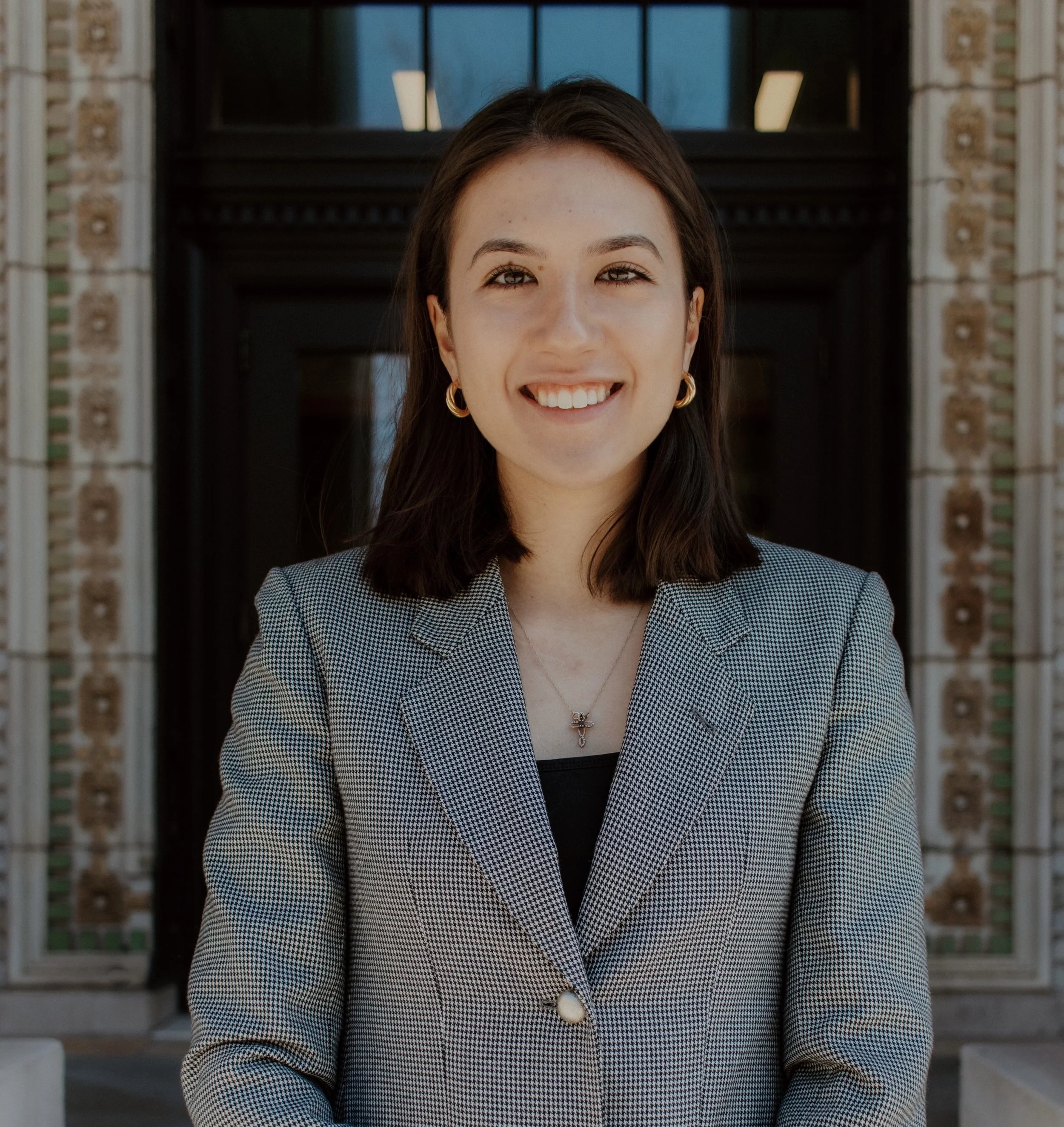
Cristina Gaudio is the Legal Policy and Advocacy Fellow at the National Council on Severe Autism. A JD/MPP candidate at Vanderbilt University and a proud autism sibling, Cristina is dedicated to advancing evidence-based policies that support individuals with severe and profound autism. Her work focuses on Medicaid reform, housing access, and meaningful services for profoundly affected individuals. She also serves as a U.S. Air Force Reserve Officer.