
“I’ve woken up to the sound of dishes breaking, walls being kicked and punched, and Jacob yelling vulgarities at the top of his lungs. I would jump out of bed as if the house was on fire and run to find him in this very sad and scary state of mind.”
Read moreHere We Go Again: How One Family Works in Shifts to Achieve Minimal Sleep
“Even when I do get to bed, I am ‘wired’ to every sound — hyper-vigilant, they say.”
Read moreAutism: The Nightmare of Life Without Sleep
This month our blog focuses on the torment of sleep deprivation in individuals with severe autism, and their families

By Jill Escher
There are various ways to torture a person. There’s whipping, “the rack,” painful electric shocks, needles, beatings, and so many other horrific methods. But another classic torture device is less bloody but plenty damaging: sleep deprivation.
Humans need sleep much like they need food and water, it’s a physiological necessity for both mental and physical health. Chronic sleep deprivation can cause high blood pressure, diabetes, heart attack, heart failure or stroke. It increases the risk for obesity, depression, confusion, memory impairment, reduced immune system function, lower sex drive, and even psychotic episodes. Because sleep is vital the daily processes of DNA repair, lack of sleep leads to increased risk of cancer. Lack of sleep is a serious medical issue that can be ruinous.
So we should be concerned about the epidemic of sleep deprivation affecting individuals with severe autism and their families. It’s estimated that sleep disturbance affects 40-80% of children with autism. Desperate families seek all sorts of interventions, from behavioral “sleep hygiene” practices, to special beds, to supplements like melatonin, to pharmaceuticals like trazodone. But in many cases, nothing seems to regulate the haywire circadian rhythm of the child or adult with autism.
This month we shine a light on the autism insomnia crisis by sharing the lack-of-sleep stories of five autism families. I certainly can relate to all of them. While my 16 year-old ASD daughter has always been a pretty good sleeper, my 23 year-old ASD son, from the day he was born, was highly dysregulated and just could not sleep through the night. I would often awake to crashing sounds at 2am, finding him throwing furniture or whatnot around or outside the house, or to the sounds of water flowing in various sinks, or to the shaking of an energized jumping. I would often (barely) function on 3 or 4 hours of sleep a night and then spend several hours cleaning up whatever mess was made overnight. It was a torment for all of us.
For my son, though I was very reluctant to use medications initially, the drug trazodone, which we started with him a few years ago, helped immensely. Combined with other treatments he has, more or less, been able to sleep most nights. It’s a … dream come true.
But others are not so fortunate. Please look out for our NCSA blog this month and we un-celebrate sleeplessness in severe autism.
Jill Escher is president of National Council on Severe Autism.
The Annual September 26th Project for 2022 Has Launched — Watch and Share
The September 26th Project — the annual emergency preparedness reminder for autism families — has launched. Don’t miss our inspiring video sharing stories of tragedy and hope.
Read moreAutism Almost Killed My Daughter, Again
Autism can be a brutal thug of a disorder. It has already sent my healthy, happy nonverbal teen to life-saving emergency surgery twice this year. She has survived, but too often autism kills its innocent victims.
Read more#KickedOut - When Severe Autism Kicks You Out of State for 20 Years
Read moreSevere autism often sends families scrambling for services in other states. But the truth is we desperately need quality adult autism programs within all state borders.
#KickedOut: The Tattered Reality of Starting a Day Program for My Son with Severe Autism
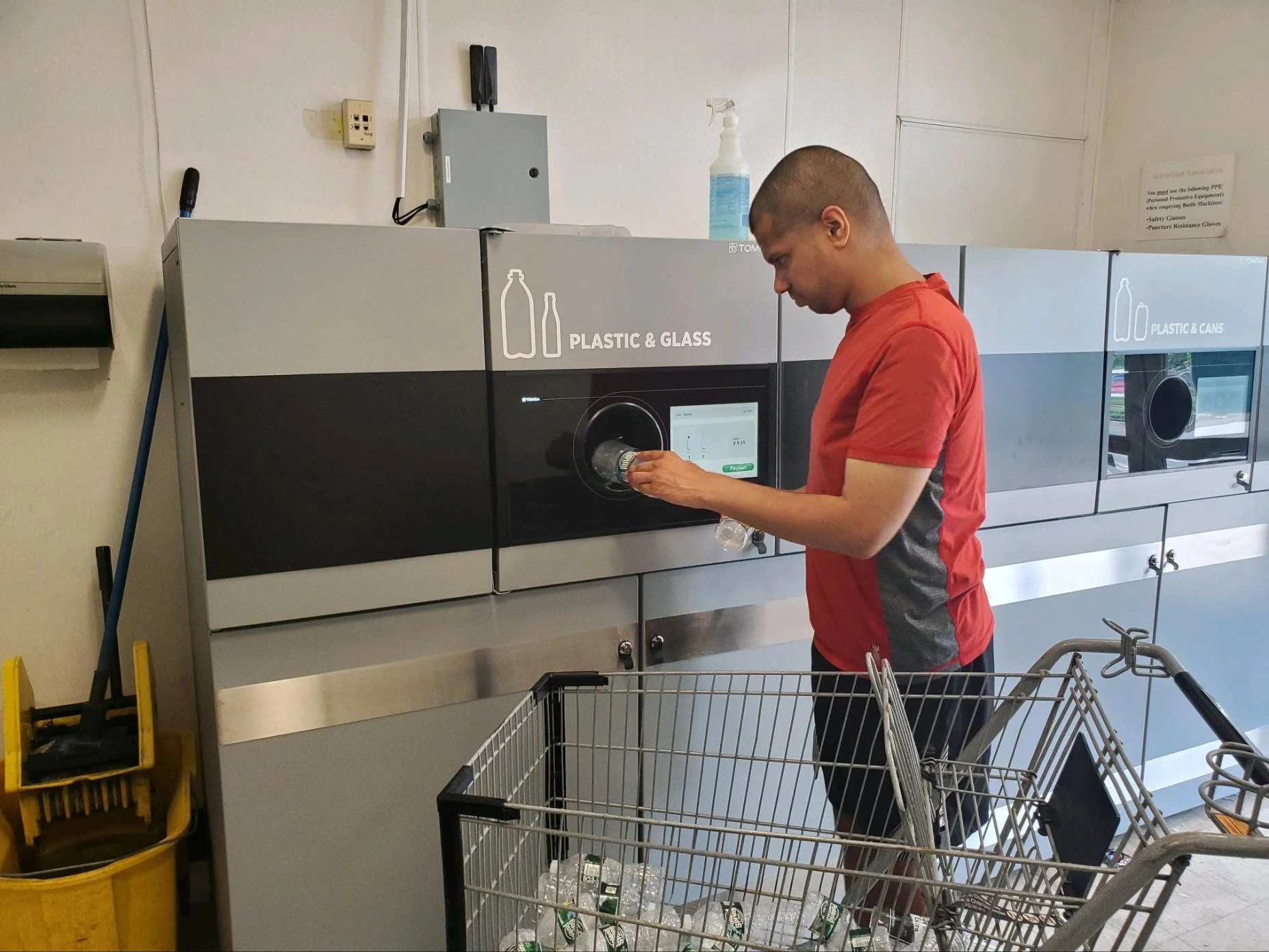
The day program she created is a lot of work and very stressful. Staff often doesn’t show up. But her son is living his best life, and his behaviors have decreased.
Read more#KickedOut: When Diaper and Toilet Issues Exclude Your Disabled Child from … Everything
“As Luke aged, this discrimination continued and became more apparent with each passing year. By the time he was 14, there wasn’t a single place I could find that would include him.”
Read more#KickedOut: Too Autistic for Local Programs, but Finding Help, at a Distance
“He needed me for every aspect of his well-being and most importantly, he just needed me to be there.”
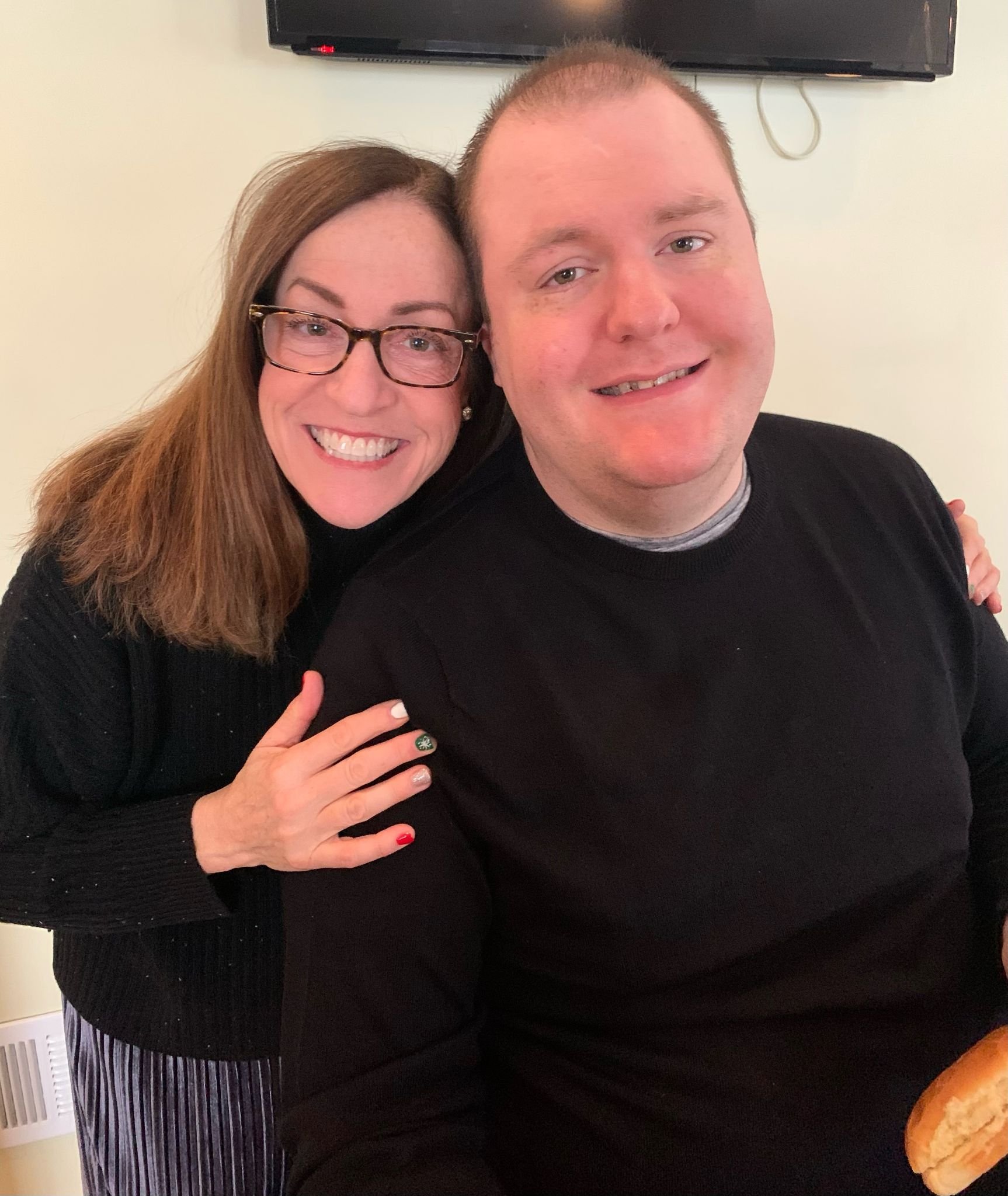
Third in a series of commentaries about the disparate treatment of individuals and families affected by severe autism
By Laura
My firstborn went off to college after I had done all I could do to pave the way for her independence and set her up for success. It was the next step. It was normal. It was typical. It was a part of growing up.
When my son T, who has severe autism, was the same age, I couldn’t imagine sending him off to live somewhere else. I felt he needed my care, he depended on my care, and no one else could possibly care for him the way I did. He needed me to shower him, wash his hair, shave his face, clean his bottom, to ensure he used deodorant and brushed his teeth. He needed me to clean his ears, trim his toenails, and help him dress. He needed me for every aspect of his well-being and most importantly, he just needed me to be there.
When T turned 21, his Dad and I decided we would look at what type of assisted living opportunities might become available at some point in time. We still weren’t ready but we were curious. We toured a couple of homes in the county, but even if we would have been ready, there was no availability. I decided that I wanted to be able to help him have a successful transition to living away from home and make it as easy as possible for him. I did not want there to be an emergency placement (as is so often what happens) and have him put somewhere with no preparation on his end or for the staff in the home.
We found out about an amazing development being created in our county with opportunities for a dozen individuals. There was a church, a barn, and homes with an amazing layout. Each individual had their own bedroom, living area and bathroom. I cried when I walked in and saw the space. The residents also shared a large gathering space, dining room and kitchen.
We worked hard to show that T had made progress with the behavioral issues that the development had an issue with prior. He was more patient and tolerant of others and with support from our case manager, T was given one of the last four spots that were available. We were overjoyed and began our preparation.
It was a 6-month process from learning that T would attend this amazing place to his actual placement. Social stories were written to help prepare him. We made new symbols for his schedule book, we added pictures of staff to the book, we created countdown calendars and marked the days until T’s new house became a reality!
When the time arrived, we went to set up his place, we made sure that ALL of his stuff was there because this “stuff” (including 100’s of VHS tapes) mattered. He would know if things were missing and we wanted him to feel 100% at home.
The philosophy of this particular organization was to not allow parents to visit for several weeks. This made the goodbyes on that moving day even more difficult. After all, in 26 years, T and I had never been apart for more than a week.
We had supplied the staff with a book about T’s behaviors. When he says this, it means this, calming techniques for when he becomes anxious, what makes him happy, when to give him space etc. It can be like learning a new language in a way, but once you figure him out, and use his schedule book, the system usually runs very smoothly.
Weeks went by and another roommate was added to T’s house. This young man was very verbal and persistent. One night T was upset and missing his family. He was lying on the ground asking for us. No one implemented the plan that we had outlined when T’s anxiety began to rise. T pushed his new roommate down, hit him and then hit a staff member as they tried to intervene. We were called and rushed over. By the time we arrived it was 10 p.m. and he was on the floor crying. We were told he had to leave the next day.
We knew and understood that his behavior was wrong, but we also believe that had we been able to visit and spend time with the staff and show them how to best interact with T, it could have had a more positive outcome. Now everything we worked for was gone.
T’s school years were ending in just weeks and that meant T would be at home full time. He had nowhere to go and no one to care for him while I worked. No day programs available, at all. We were about to fall off the cliff - together.
I knew I had to work fast to try and make arrangements, and that was a full-time job in itself. I also knew that any future placement for him was very unlikely after his incident.
A year passed, and we assembled a new normal without school, found some caregiving support, and had a meeting with Community Mental Health. We said we were willing to look outside of our county to see what options might be available. An option was presented 161 miles away from our home. We felt we had to look, or we might never be presented with future opportunities.
T’s dad and I drove there believing we would leave and say it was just too far from home and it wouldn’t work for him. Instead, we both somehow felt this was an environment he might do well in. It was a grade school converted into a group home for 24 residents. He would have his own large room and half bath. It was large enough to hold his belongings and still give him some space. It was new and fresh and we felt like it might work.
We drove home thinking about the long drive but knew T’s well being was what ultimately mattered. We chose to move forward. This may not be his forever home as I am also trying to figure out a better solution, but it works for now and that has to be enough.
Laura was born and raised in Wisconsin but has lived the last 30 years in West Michigan. She is a mother to A and T and wife to Bill. She graduated from the University of Wisconsin Madison and has a successful 35-year sales career selling wine and liquor, pharmaceuticals and currently real estate. She is an advocate for all things T and autism related, fan of her daughter’s photography career and also enjoys quilting and gardening.
Disclaimer: Blogposts on the NCSA blog represent the opinions of the individual authors and not necessarily the views or positions of the NCSA or its board of directors. Inclusion of any product or service in a blogpost is not an advertisement, is not made for any compensation, and does not represent an official endorsement.
#KickedOut: With Autism in the House, a Summer of Isolation
A mother’s heartache and exhaustion — a life lived on the margins of a society that would rather ignore severe autism.
Read more