"Injustice anywhere is a threat to justice everywhere"- Dr. Martin Luther King Jr.
In early January 2026, an anonymous source provided the National Council on Severe Autism (NCSA) with photographs taken inside a psychiatric care facility in Northern Greece. The images depict conditions that raise serious concerns about the safety, dignity, and human rights of people with severe autism and related disabilities.
Upon review of publicly available information on Greece’s care systems, NCSA is releasing a comprehensive analysis of recent systemic failures affecting individuals with autism. This analysis: (a) outlines recent allegations of disability abuse facilitated by policy failures; (b) examines the global prevalence, convergence, and implications of inadequate autism care systems; and (c) calls upon the European Union and the United Nations Committee on the Rights of Persons with Disabilities to investigate the situation and ensure accountability and transparency for those affected.
Recent Allegations in Greece
In one photograph, what appears to be a child lies on a tile floor, tied to a dilapidated metal bedframe by ankle restraints. The walls and doorframe are visibly soiled, and the room is devoid of furniture, bedding, or personal belongings. In other images, residents are restrained to their beds by their arms and legs, with little to no freedom of movement. And in yet another, a cage—reportedly used to confine an autistic individual—looms in the background, raising grave concerns about safety, health, and dignity.
These photographs should alarm any viewer. The conditions they depict are reminiscent of those that existed in the United States prior to the late 1960s, when individuals with disabilities were segregated into large-scale institutions operating with minimal oversight and little regard for civil rights. With few protections for safety, dignity, or autonomy, neglect and abuse were widespread. While such conditions diminished with the passage of disability rights legislation (Wyatt v. Stickney, PARC v. Pennsylvania, Mills v. D.C. Board of Education [1]) and the Olmstead-era shift toward community-integrated care, they did not disappear entirely.
It is deeply concerning that similar conditions may persist in contemporary psychiatric care settings in modern-day Greece. More troubling still is that these images do not appear to represent an isolated incident. Rather, they align with a growing body of reports from parents, whistleblowers, and advocates documenting systemic failures across Greek facilities.
In 2021, a 21-year-old autistic man with severe autism named Paris lost his life at Agios Dimitrios rehabilitation center in Thessaloniki. Paris died of beatings and fractures to his skull. How he received these injuries remains unclear. Agios Dimitrios has failed to provide transparency or accountability, even as additional evidence has emerged highlighting severe deficiencies in care [2].
In October 2024, images broadcast on Greek television network ANT1 showed a child naked and curled on a mattress at the same facility, surrounded by cage-like bars [3]. Responding to these images, Paris’ mother stated, “[I wished] that my child's soul be vindicated and that he be the last to lose his life in this way. I was shocked by these photos. The situation continues to be very tragic." She continued by stating, “"an attempt was made to cover up the fact [of how her son died], wrong information was conveyed to us. However, we managed to find out the truth." Parents and advocates attribute these conditions in part to chronic staffing shortages. The president of the Parents and Guardians Association of the Agios Dimitrios Foundation stated: “We have had a terrible shortage of staff since 2012. The ministry does not understand us. The staff that does exist is tired, and they are not trained.” [4]
The response to these instances has been marked by finger pointing and dodgery between the actors involved. The Greek Ministry of Social Cohesion and Family denies any wrongdoing, blatantly stating that “At the "Agios Dimitrios" Center Branch (PAAPATH), a total of 78 people aged 8 to 62 years old, 7 of whom are minors, are cared for and cared for with love and respect.” [5] The Ministry recasts the publication of the photos, and not the abuse at hand, as the primary concern, stating, “The publication of nude photographs, especially of People with Disabilities, brutally offends their dignity. We call and beg everyone responsible not to sacrifice the rights and dignity of our fellow human beings on the altar of creating false and misleading impressions.” [6] But why is this child unclothed in their facility? Why did Paris die? These are questions that remain unanswered.
Similar concerns have been repeatedly raised by workers and families across Greece. Since 2019, the Panhellenic Federation of Public Hospital Employees (POEDIN) has documented unsafe and degrading conditions in psychiatric facilities nationwide [7]. According to their reports, chronic underinvestment, staffing shortages, and lack of training have created environments in which proper care is nearly impossible. Four hundred employees are stretched thin, trying to fill the responsibilities of 1450 caretaker positions as clothing, sheets, and other essentials remain in critically short supply. The infrastructure is dirty, outdated, and unmaintained, with plaster panels reportedly falling from the ceiling onto patients and workers, and dirt, infections, bedbugs, and contagious diseases like scabies running rampant [8].
The system appears to be so overburdened that in many instances, individuals with profoundly different needs — including people with severe autism, intellectual disabilities, psychiatric disorders, chronic medical conditions like HIV, and age-related disabilities — are housed together in institutional psychiatric settings that were not designed to care for diverse, high-needs populations under one roof, let alone for extended periods of time. Convicted criminals in need of custodial medical treatment are hospitalized alongside children with severe autism and intellectual disabilities who do not need acute hospitalization, and instead require developmental, behavioral, and long-term supports that do not exist [9].
Without appropriate infrastructure or oversight for autism care, autistic people fall victim to inhumane treatment. According to POEDIN, “An autistic child who has been in the hospital for 9 months is still permanently confined to his bed. The Ministry of Health has deceived us many times that he will be transferred to an appropriate facility without it happening. He has attacked and beaten all the staff who come to him for care and treatment... Injuries to colleagues and patients are common phenomena. The Hospital is on duty twice a week and admits 80 patients on average. 3000 per year, while before the crisis, admissions were 1000.” [10] When specialized care pathways do not exist—and when transfers to appropriate settings fail to be enforced—institutions become unsafe for residents and unmanageable for staff alike.
Global Prevalence, Convergence, and Policy Implications
Unfortunately, lack of specialized infrastructure for lifelong autism care is an urgent global issue that is hardly unique to Greece. As many countries struggle to support individuals with severe autism, diagnostic data on aging and increasing autism populations signal a race against time. The 2021 Global Burden of Disease (GBD) study reports that the disability-adjusted life years among 15–39-year-olds with autism spectrum disorder (ASD) increased from 3.30 million in 1990 to 4.55 million in 2021, with the sharpest increase seen among the 30–34-year-old cohort specifically [11]. This indisputable increase in absolute health burden among adolescents and adults makes the need for globally available care across the lifespan clear.
Notably, the demand for autism service reform varies significantly along lines of income and healthcare access, both within and between nations. Within the United States, for instance, access to autism care is highly disparate between metropolitan and rural areas. The number of child and adult psychiatrists per 1,000 children ranges from 60 in the District of Columbia to 5 in Idaho. Such stark contrasts in available resources result in long wait times for diagnosis and treatment, clinician burnout, and shortages in service supply [12].
These challenges are even more pronounced when looking at lower-income countries, where medical and social service systems face more significant resource constraints. Here, early diagnostic tools and access to intervention programs (i.e., therapies, behavioral analysis, and medication) can be extremely limited. In Thailand, for example, nurses and behavioral therapists at Ratchaburi Hospital report that autism families may be able to access ABA, speech, and occupational therapy only once per month, as the hospital is one of the few places within a 100-mile radius capable of providing such interventions, and the number of children in need far exceeds the availability of services [13]. Such sporadic access falls far short of the consistent and intensive support generally considered necessary for meaningful developmental intervention, especially for individuals with severe autism. Furthermore, special education services in schools remain similarly limited, with the highest-need individuals often staying home and receiving no education due to the lack of resources for complex needs. Cultural stigma can further exacerbate lack of care, with families isolating themselves due to fear of social judgment.
In Greece, Anastasia Theodoropolou, mother to a severely autistic son and President of the Kravgi AMEA Organization (translated in English as “The Voice/Outcry of People with Disabilities”), has tried everything to find appropriate special education services and treatment for her son. After taking her son to nearly every treatment center in Athens—only for him to be abused and for their family to be left in financial ruin—she founded Kravgi AMEA [14]. The organization’s goal is to sound the alarm on the severe autism crisis and to provide parents, therapists, and professionals with a platform to highlight the need for reform. She tells NCSA, “We need systems where our severely autistic children can be cared for with dignity, like human beings—right now, they are being forced to live like animals because the system is not designed to care for them. Greece is 100 years behind the U.S. on this issue.”
Greek families have been left with an impossible choice: place their loved one in a facility where they will be subject to degrading conditions, or attempt to provide lifelong care on their own for as long as they are able. Without accessible treatment options and respite care, this second option is highly unsustainable. The violence, self-injury, elopement, seizures, and lack of sleep that severely autistic people exhibit are too much for an aging parent to handle alone. Pushed to profound desperation and mental health crisis, parents may make tragic decisions, as was seen in Pefki, Greece in 2020, where a 32-year-old woman threw her autistic daughter off of a roof and then committed suicide by jumping off [15]. More recently, the Perth autism family tragedy in Australia, where two severely autistic teenage boys were murdered by their parents, who then took their own lives, has catalyzed conversations about the global autism respite care crisis [16]. These events are best viewed not as isolated acts of cruelty or personal failure, but rather as a cry for help, a shocking but realistic indication of the strain that severe autism places families, and a stark warning of what can happen when systems refuse to support those with the highest need.
Call for United Nations and European Review
Greece ratified the UN Convention on the Rights of Persons with Disabilities (UNCRPD) on April 10, 2012. As such, it is required to uphold all provisions of the Convention, including Article 15 (freedom from torture or cruel, inhuman, or degrading treatment or punishment), Article 16 (freedom from exploitation, violence, and abuse), and Article 20 (personal mobility) [17]. This obligation is neither optional nor abstract. UNCRPD Article 4 clearly states that signatory states must “adopt all appropriate legislative, administrative and other measures for the implementation of the rights recognized in the present Convention” and “promote the training of professionals and staff working with persons with disabilities… so as to better provide the assistance and services guaranteed by those rights” [18].
The images revealed to NCSA, alongside these media reports, family testimonies, and worker accounts, therefore warrant immediate independent investigation for potential violations of these rights. Cages, ankle and wrist restraints, blunt-force trauma deaths, and filthy, overcrowded hospitals, if substantiated, would place Greece in clear violation of the UNCRPD provisions to which it is bound. NCSA calls on the European Union and the United Nations Committee on the Rights of Persons with Disabilities to review these allegations, ensure accountability, and require that care practices be brought into compliance with UNCRPD standards.
This analysis demonstrates that the lack of specialized autism care infrastructure is an urgent global issue, with Greece serving as a particularly stark example of the consequences of inadequate oversight and investment. The conditions described are unacceptable and demand urgent scrutiny, followed by serious and sustained reform of Greece’s care systems. Policymakers must invest in models of care capable of supporting individuals with severe autism across the lifespan and at a scale sufficient to meet population needs. Such care is evidence-based, grounded in behavioral science, biopsychosocial approaches, meaningful engagement, and robust systems of oversight, safety, and dignity. Until such reforms are implemented, preventable harm will continue to affect autistic individuals, families, and workers alike.
References
[1] Trent, J. W. (1995). The remaking of mental retardation. In Inventing the feeble mind: A history of mental retardation in America (pp. 255–289). University of California Press.
[2] “Παγκόσμια Ημέρα Αναπηρίας βαμμένη με Αίμα… Ο Πάρης έφυγε,” Nevronas.gr, accessed March 12, 2026.
[3] “Σοκαριστικές εικόνες από το κέντρο αποκατάστασης ΑμεΑ ‘Άγιος Δημήτριος’ – Τι απαντά το Υπουργείο,” News247, October 15, 2024, https://www.news247.gr/ellada/sokaristikes-eikones-apo-to-kentro-apokatastasis-amea-agios-dimitrios-ti-apanta-to-ipourgeio/
[4] [5] [6] Ibid.
[7] “ΠΟΕΔΗΝ: Δρομοκαΐτειο ώρα μηδέν! Άθλιες συνθήκες νοσηλείας και κτιριακών εγκαταστάσεων,” Iatropedia, November 15, 2019, https://www.iatropedia.gr/eidiseis/poedin-dromoka%CE%90teio-ora-miden-athlies-synthikes-nosileias-kai-ktiriakon-egkatastaseon-pics/124566/
[8] [9] [10]
[11] D. Lin et al., “Global Burden, Inequality, and Frontier Gaps of Autism Spectrum Disorder: A Global Analysis Based on the Global Burden of Disease Study 2021,” Frontiers in Psychiatry (2025), https://pmc.ncbi.nlm.nih.gov/articles/PMC12571915/
[12] Natasha Malik-Soni et al., “Tackling Healthcare Access Barriers for Individuals with Autism from Diagnosis to Adulthood,” Pediatric Research 91, no. 5 (2022): 1028–1035, https://pmc.ncbi.nlm.nih.gov/articles/PMC7993081/
[13] Observations from the author’s volunteer work at an autism treatment clinic in Ratchaburi, Thailand, where clinicians described limited availability of intensive autism services and long travel distances for families seeking care.
[14] Gianna Triantafylli, “Παιδιά με βαρύ αυτισμό: Η συγκλονιστική μαρτυρία-κραυγή μιας μητέρας,” DailyPharmaNews, September 20, 2025, https://dailypharmanews.gr/life-stories/paidia-me-vary-aftismo-i-sygklonistiki-martyria-kravgi-mias-miteras/
[15] “Πεύκη: Η στιγμή που ο πατέρας μαθαίνει την τραγωδία και σπαράζει,” Ethnos, January 3, 2020, https://www.ethnos.gr/greece/article/80564/peykhhstigmhpoyopaterasmathaineithntragodiakaisparaze
[16] Julian Ingram, “Four People, Including Two Children, Found Dead in Perth in Suspected Murder-Suicide,” The Guardian, January 30, 2026, https://www.theguardian.com/australia-news/2026/jan/30/four-people-including-two-children-found-dead-in-perth-in-suspected-murder-suicide
[17] United Nations, “Convention on the Rights of Persons with Disabilities,” Office of the High Commissioner for Human Rights (OHCHR), accessed March 12, 2026, https://www.ohchr.org/en/instruments-mechanisms/instruments/convention-rights-persons-disabilities
[18] Ibid.
Author’s Note:
Cristina Gaudio is the appointed Legal Policy and Advocacy Fellow at the National Council on Severe Autism. A JD/MPP candidate at Vanderbilt University and a proud autism sibling, Cristina is dedicated to advancing evidence-based policies that support individuals with severe and profound autism. Her work focuses on Medicaid reform, housing access, and meaningful services for profoundly affected individuals. She also serves as a U.S. Air Force Reserve Officer.
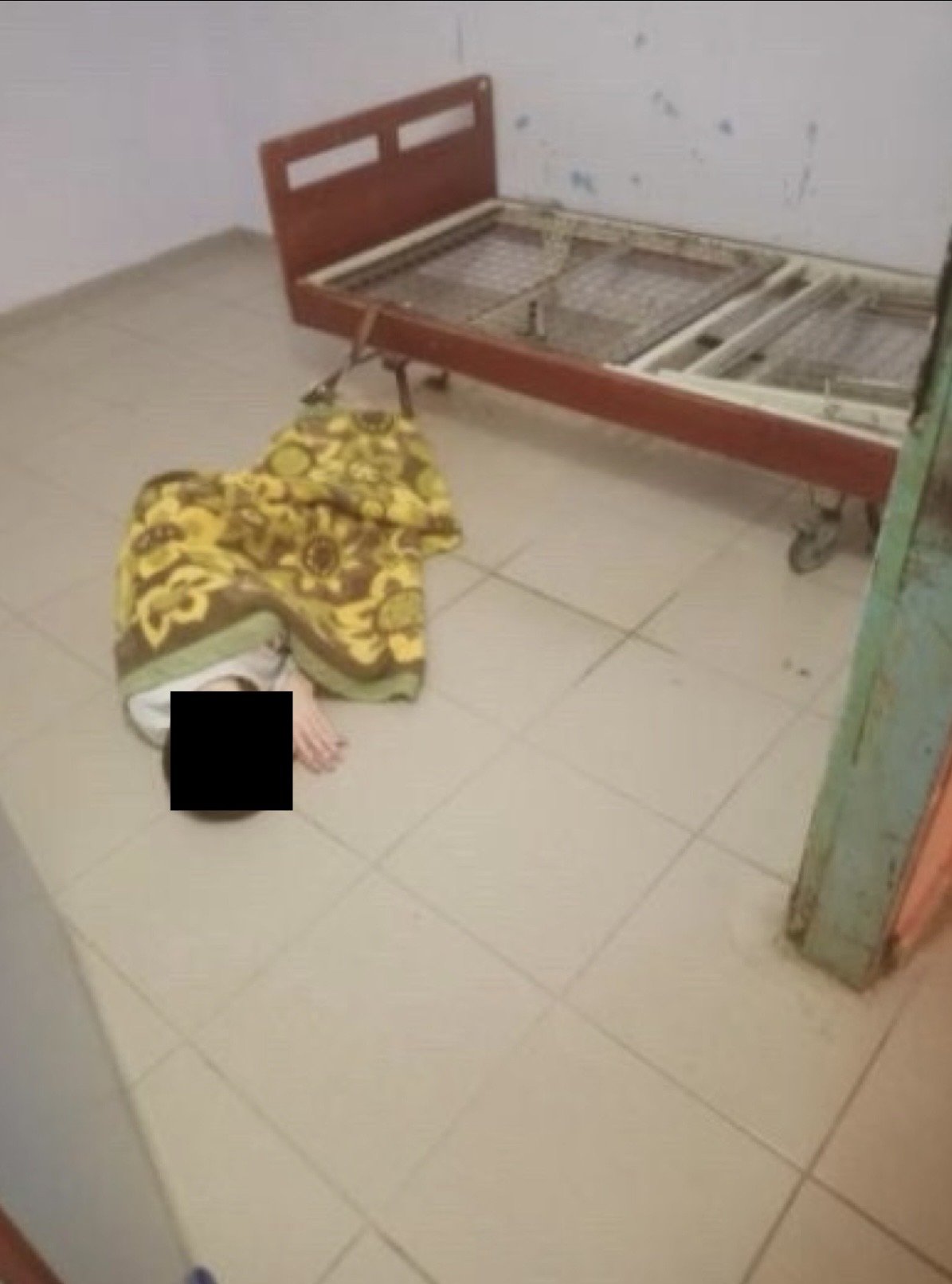
Photograph obtained by NCSA depicting a child restrained to a bedframe. Faces have been obscured to protect the identity and privacy of the individual shown.
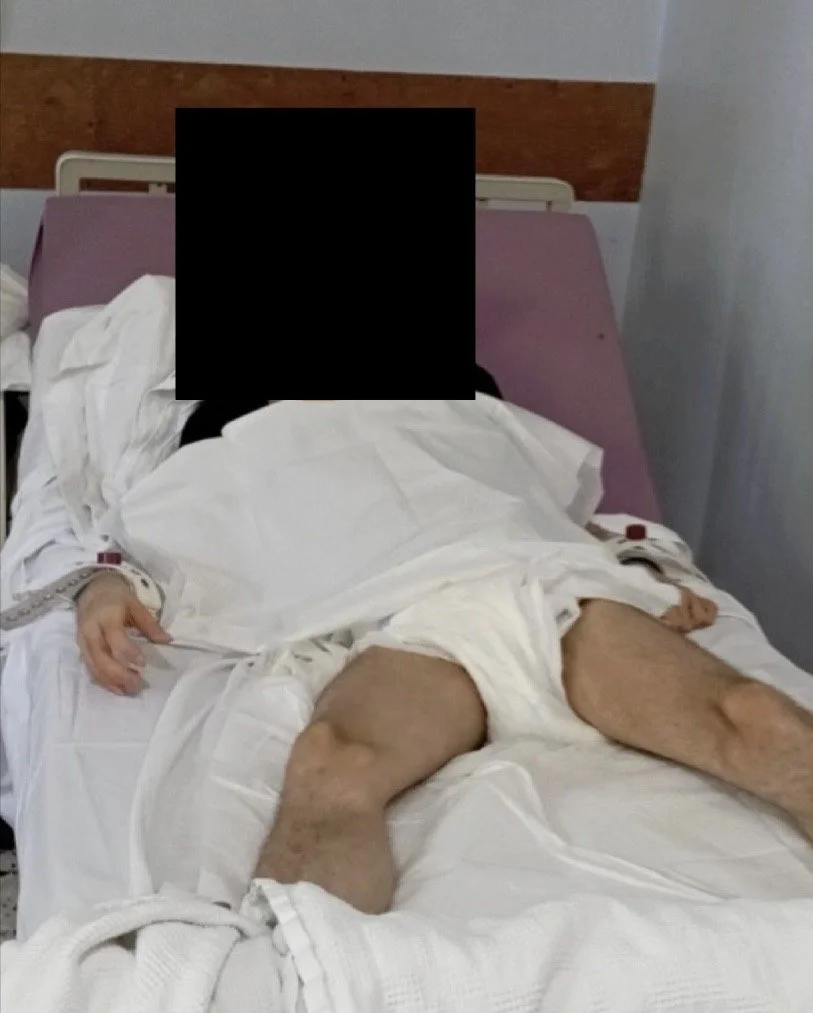
Photograph obtained by NCSA depicting an individual confined to a hospital bed via arm and ankle restraints. Faces have been obscured to protect the identity and privacy of the individual shown.
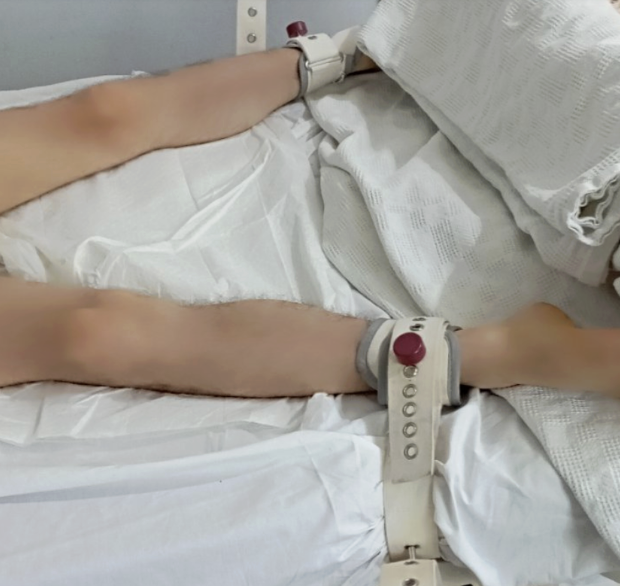
Photograph obtained by NCSA depicting ankle restraints on a bed. Faces have been obscured to protect the identity and privacy of the individual shown.
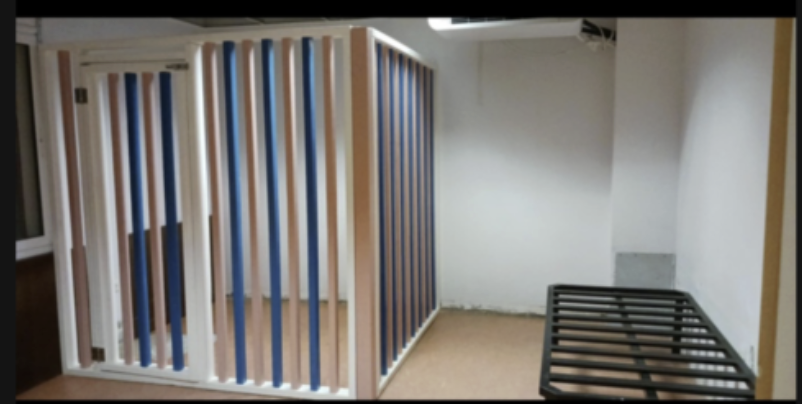
Photograph obtained by NCSA depicting a cage allegedly used to confine a person with a disability.
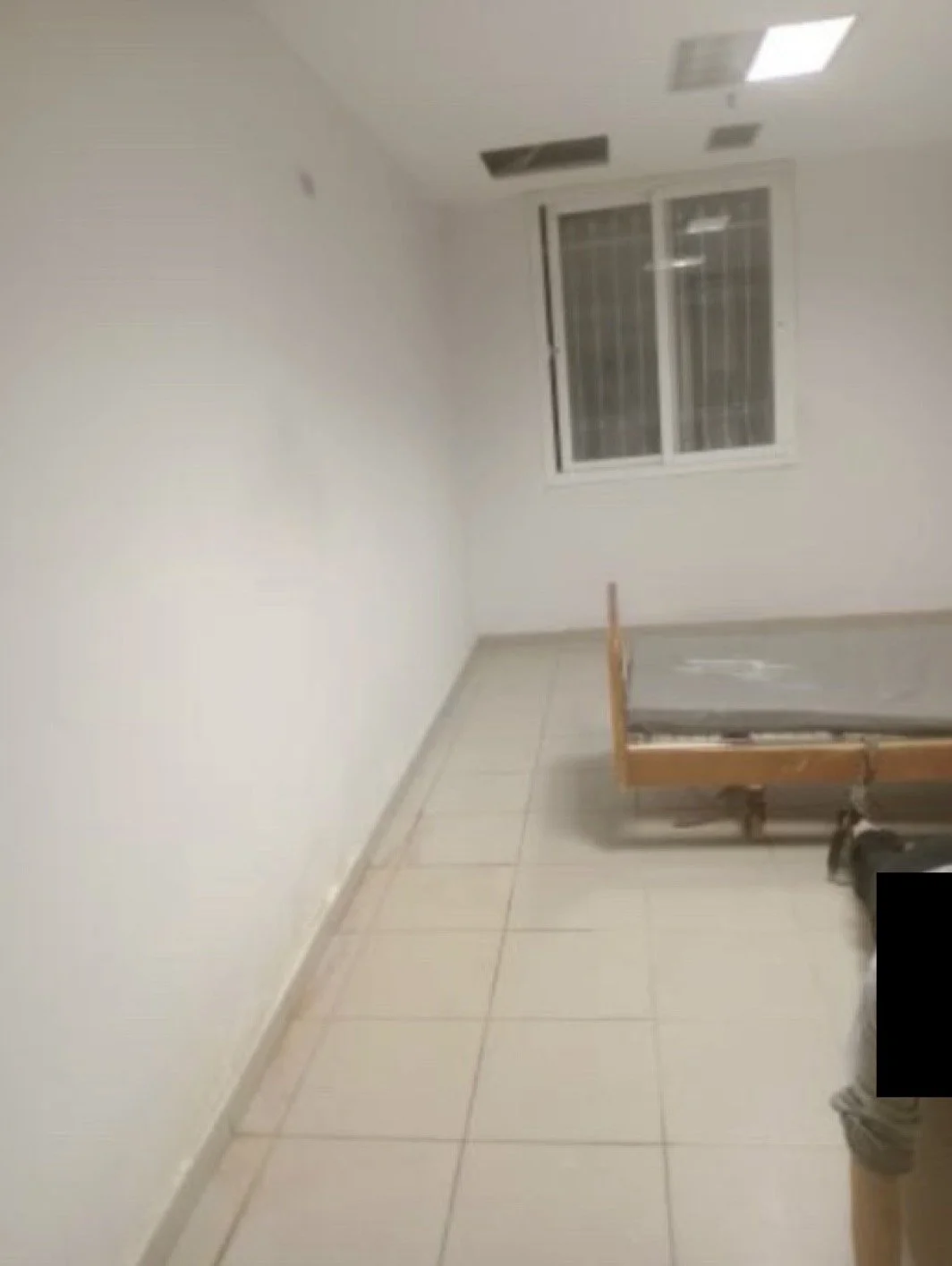
Photograph obtained by NCSA depicting an adult restrained to a metal bedframe via an ankle restraint. Faces have been obscured to protect the identity and privacy of the individual shown.
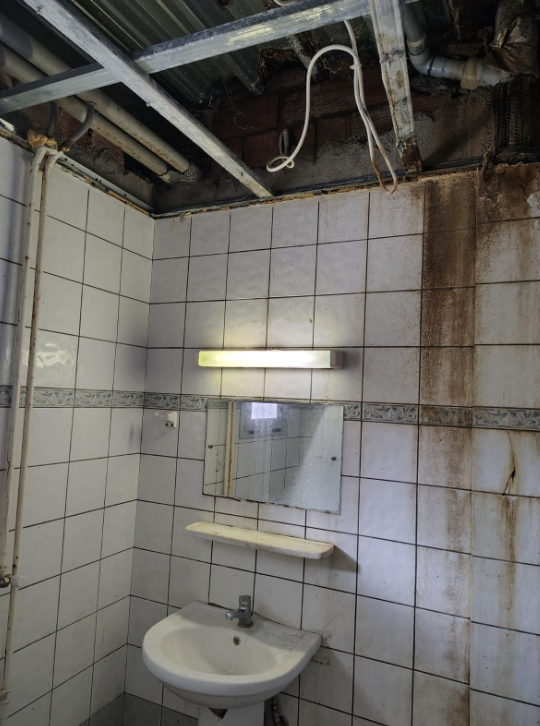
Photograph obtained by NCSA depicting a dirty, dilapidated bathroom in a care facility.